
Preventive Women’s Healthcare Through Screening Initiative in India
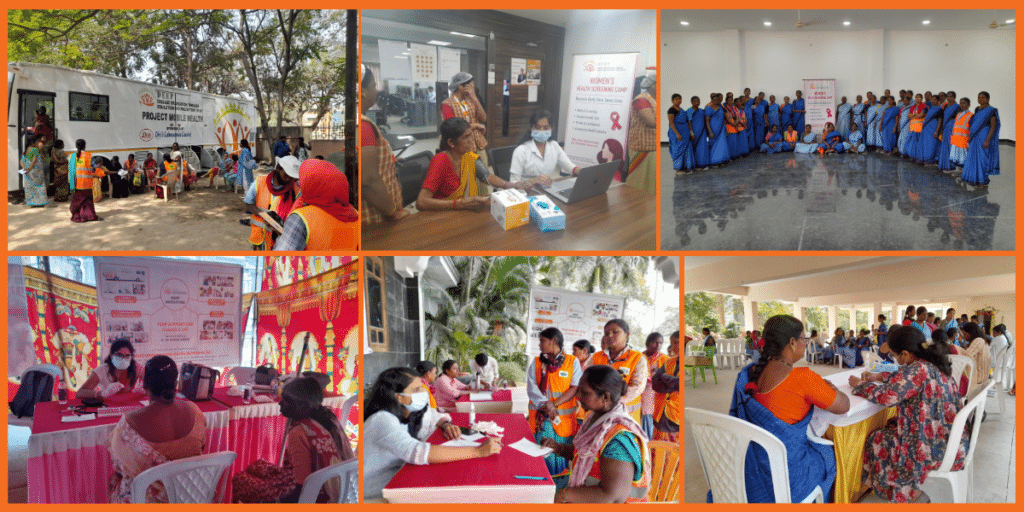
Preventive Women’s Healthcare Through Screening Initiative – 2026 Hyderabad, India | February – March 2026 Why Preventive Screening is Critical for Women’s Health in India Across India, a silent yet escalating health crisis continues to unfold—often remaining undetected until it reaches advanced, life-threatening stages. Breast and cervical cancers today rank among the most prevalent health threats faced by women in the country, with nearly 2 lakh new breast cancer cases and over 1.27 lakh cervical cancer cases reported annually (Source: WHO / ICMR). However, the real challenge lies not just in the scale—but in the timing of detection. A significant proportion of these cases are identified late, when treatment becomes more complex, survival outcomes decline, and the emotional as well as financial burden intensifies. Limited awareness, lack of routine screening, and persistent socio-cultural barriers continue to delay early diagnosis—leaving millions of women unaware of underlying health risks. In today’s healthcare landscape, early screening is not optional—it is a critical lifeline. A High-Impact Preventive Intervention at Scale Responding to this urgent need, DEEP Trust executed a large-scale Women’s Health Screening Campaign, positioning it as a replicable, community-driven preventive healthcare model. Conducted over a concentrated period between February and March 2026, the initiative demonstrated both speed and scale, reaching 2,296 women across diverse communities within weeks. The program integrated: Mammography for breast health assessment Pap smear testing for cervical cancer screening Basic health evaluations and personalized medical guidance All screenings were conducted under qualified medical supervision, adhering to established clinical protocols—ensuring accuracy, safety, and reliability at scale. Scale, Reach, and Critical Insights from the Data Screening Coverage Total Women Screened: 2,296 Mammography Tests Conducted: 1,466 Pap Smear Tests Conducted: 564 What the Findings Reveal The outcomes of the campaign provide a powerful, data-backed insight into the current state of women’s health: 21 women (~1%) were identified as highly suspicious for breast cancer, requiring immediate medical intervention 669 women (~29%) showed probable benign conditions (nodules, tissue changes), placing them at potential future risk if left unmonitored 7 women were identified as highly suspicious for Cervical Cancer Screening 23 Women were identified with moderate to severe cervix inflammation and needed to follow up with a gynecologist. Out of Only 505 women (~22%) were assessed as low-risk This means nearly 4 out of every 5 women screened required monitoring, follow-up, or medical attention—a striking indicator of the urgent need for routine preventive screening in India. Beyond the Numbers: A Deeper Reality These findings go far beyond statistics—they reveal a systemic healthcare gap. A large proportion of women fall into risk or observation categories, where timely monitoring can significantly alter long-term health outcomes. Early detection, in such cases, does not just improve survival—it reduces the intensity, cost, and complexity of future treatment. For many participants, this initiative marked their first-ever structured health screening—a powerful reminder of the access and awareness gaps that still exist. Expanding Access Through Institutional and Community Integration A defining strength of this initiative was its hybrid execution model, which combined institutional partnerships with deep community outreach. Screenings were conducted in collaboration with institutions such as Krishnaveni Talent School (Musarambagh), Avinash College (Basheerbagh), and Sarah Covenant Home (Gachibowli), while the campaign simultaneously extended into grassroots communities including Yallamma Banda (Kukatpally), GHMC Serilingampally, GHMC Chandanagar, GHMC Ameenpur, GHMC Manikonda, Praja Bhavan (Manchirevula), Patancheru, Borabanda regions (Ganesh Nagar, Safdar Nagar, Gayathri Nagar, Vivekananda Nagar), Peddatupra (Shamshabad), Railway Coach Depot Office (Secunderabad), Lumbini Apartment (Ameerpet), 2 BHK Dignity Housing Society (Nizampet), Community Hall (Parvath Nagar), and Gram Panchayat Office (Siripura). This multi-location, multi-format approach ensured that screening services reached women across urban, semi-urban, and underserved populations, effectively bridging critical accessibility gaps. From Awareness to Action: Changing Healthcare Behavior Beyond diagnostics, the campaign placed strong emphasis on health education and behavioral change. Through structured awareness sessions, women were guided on: Recognizing early warning signs Understanding the importance of timely screening Overcoming stigma around women’s health Adopting proactive health practices This approach enabled a shift from reactive treatment to preventive health responsibility—a critical transformation for long-term public health outcomes. A Scalable Model for Preventive Healthcare in India What sets this initiative apart is not just its reach—but its potential for replication and scale. The campaign demonstrates how data-driven planning, community engagement, and institutional collaboration can come together to create a high-impact, scalable screening framework. At a broader level, such preventive interventions also contribute to: Reducing long-term healthcare costs Improving early diagnosis rates Enhancing survival outcomes at a population level Driving Systemic Change Through Leadership and Collaboration At the forefront of this transformation is DEEP Trust—consistently leading from the front with interventions that are not only scalable and data-driven, but deeply rooted in community impact and measurable outcomes. Through strategic program design and strong on-ground execution, DEEP Trust is actively redefining how preventive healthcare is delivered—bridging critical gaps between awareness, access, and action. However, the scale of India’s healthcare challenge requires collective effort. As the demand for preventive healthcare continues to grow, there is a significant opportunity for: CSR leaders Healthcare institutions Policy stakeholders Community organizations to come together and co-create sustainable, large-scale impact. The Way Forward The future of women’s health in India will not be shaped by awareness alone—but by decisive, collaborative action. Expanding initiatives like these can ensure that: Early detection becomes the norm, not the exception Preventive healthcare reaches the last mile No woman remains underserved due to lack of access or information The question is no longer whether preventive screening is needed— but how quickly and effectively we can scale it.
DEEP Trust Conducts Large-Scale HPV Vaccination Drive 2026 to Prevent Cervical Cancer in India
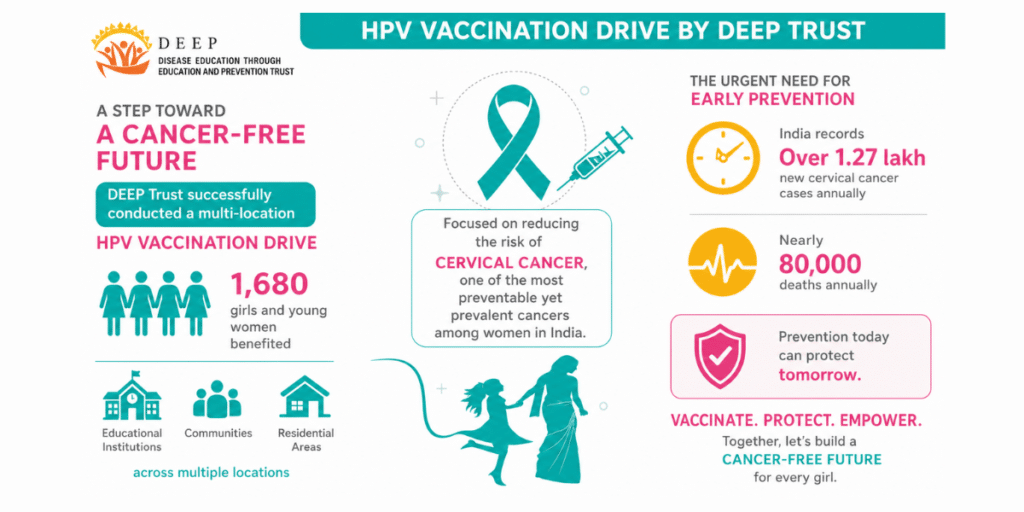
DEEP Trust Conducts Large-Scale HPV Vaccination Drive 2026 Hyderabad, India | March 2026 DEEP Trust successfully conducted a large-scale HPV Vaccination Drive 2026 to help prevent cervical cancer among girls and young women. Through this initiative, the organization reached 1,680 beneficiaries across multiple locations and promoted awareness about preventive healthcare. Moreover, the campaign encouraged families to understand the importance of HPV vaccination at an early age. As a result, participants gained valuable knowledge about cervical cancer prevention and long-term health protection. A Strategic Step Towards Cervical Cancer Prevention The DEEP Trust HPV Vaccination Drive 2026 focused on protecting girls and young women between 9 and 26 years of age. Healthcare professionals guided participants throughout the program and ensured safe vaccine administration. Furthermore, the campaign combined vaccination with awareness activities. Therefore, beneficiaries learned not only about HPV but also about the importance of preventive healthcare. The initiative included: HPV vaccination as per recommended guidelines Cervical cancer awareness sessions Community health education programs Outreach activities in educational institutions Support from trained healthcare professionals In addition, the campaign addressed common myths and misconceptions related to HPV vaccination. Consequently, many families felt more confident about making informed healthcare decisions. Planned Vaccination Schedule Healthcare teams administered the first dose of the HPV vaccine to all eligible beneficiaries. Subsequently, the program scheduled follow-up doses to ensure complete protection. The vaccination schedule includes: Second dose for beneficiaries aged 9–14 years in June 2026 Third dose for beneficiaries aged 14–26 years in October 2026 Meanwhile, DEEP Trust continues to engage with participants and their families to encourage completion of the vaccination schedule. Campaign Scale and Reach DEEP Trust organized the HPV Vaccination Drive through a network of vaccination camps across educational institutions and community locations. As a result, the campaign achieved substantial outreach within a short period. Key Highlights Metric Details Total Camps Conducted 17 Total Beneficiaries 1,680 Age Group Covered 9–26 Years Objective Cervical Cancer Prevention Additionally, the campaign demonstrated how community-based healthcare initiatives can improve access to preventive services. Strong Partnerships Enabled Greater Impact Several educational institutions and community organizations partnered with DEEP Trust to support the campaign. These partners included: Centre for Social Service, Hayathnagar Sri Sai Vignan Bharti Junior and Degree College for Women, Secunderabad Avinash College of Commerce, Basheerbagh Avinash College of Commerce, Secunderabad Tapasya College, Narayanguda MNR College, Sangareddy Furthermore, community outreach activities extended to Ameerpet, Khairtabad, Jubilee Hills, Motinagar, and surrounding areas. Therefore, the initiative reached beneficiaries from diverse backgrounds and communities. Creating Awareness Beyond Vaccination The campaign focused on more than vaccine administration. In fact, awareness remained a key component of the initiative. Healthcare educators explained the causes of cervical cancer, the role of HPV infection, and the benefits of early prevention. Moreover, they encouraged participants to adopt preventive healthcare practices. As a result, many beneficiaries gained a deeper understanding of women’s health and disease prevention. Long-Term Benefits for Communities The DEEP Trust HPV Vaccination Drive 2026 aims to create a lasting impact on public health. The initiative supports: Increased awareness about cervical cancer Better access to HPV vaccination Stronger preventive healthcare practices Improved community health outcomes Enhanced support for women’s health Additionally, the campaign contributes to broader public health goals by encouraging early prevention and health education. Consequently, communities can reduce future health risks and improve overall well-being. DEEP Trust’s Commitment to Preventive Healthcare DEEP Trust continues to promote healthcare, education, and community development through impactful initiatives. Through programs like the HPV Vaccination Drive 2026, the organization helps communities access reliable health information and preventive healthcare services. Furthermore, DEEP Trust believes that awareness and early intervention play a vital role in improving public health outcomes. The DEEP Trust HPV Vaccination Drive 2026 represents an important milestone in cervical cancer prevention efforts. By combining vaccination, awareness, and community participation, the initiative is helping create healthier futures for girls and young women. Ultimately, preventive healthcare remains one of the most effective ways to reduce disease burden. Therefore, initiatives like this continue to play a crucial role in strengthening community health across India.
Raising Awareness and Screening Women for Breast Cancer in Hyderabad
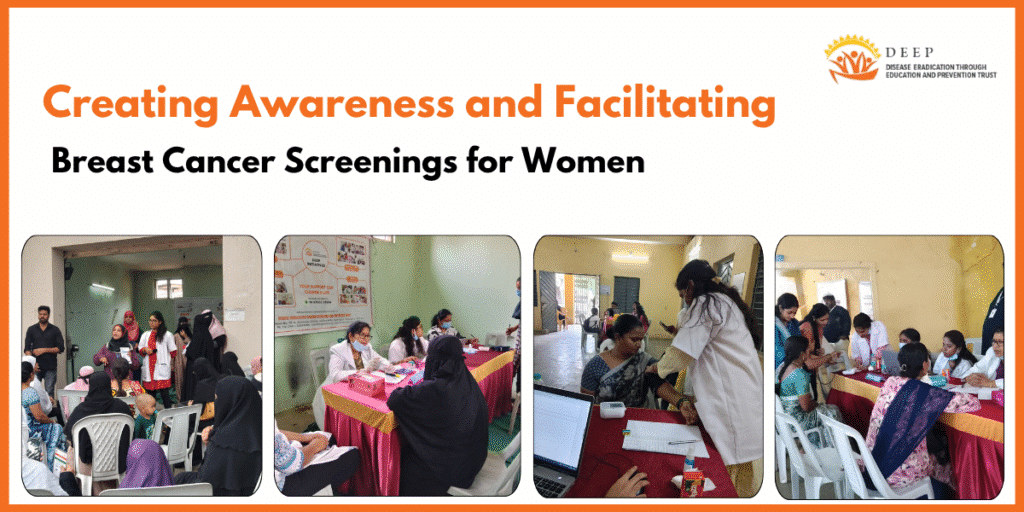
DEEP Trust Organizes 5-Day Breast Cancer Awareness and Screening Camp in Hyderabad Hyderabad, October 2025: In an effort to promote early detection and preventive healthcare among women, DEEP Trust (Disease Eradication through Education and Prevention Trust) successfully organized a five-day Breast Cancer Awareness and Screening Camp in Hyderabad. The initiative focused on educating women about breast health, encouraging timely screening, and offering counselling support for early diagnosis and care. Camp Highlights Duration: 5 Days Locations: Ibrahimbagh and Golconda, Hyderabad Total Women Screened: 517 Mammograms Conducted: 296 Abnormal Cases Identified: 27 Screening Process To ensure a smooth and comprehensive experience, the camp followed a structured flow: Awareness Sessions: Educating women on breast health and the importance of early detection. Registration: Organized and participant-friendly registration process. Clinical Examinations: Conducted by qualified medical professionals. Mammography/Ultrasound: For women requiring detailed screening. Follow-Up Counselling: Provided to high-risk individuals for timely intervention and guidance. This systematic approach ensured that participants not only received screening but also understood the next steps in their health journey. Why Awareness and Early Detection Matter Breast cancer remains one of the most common cancers affecting women worldwide and in India. According to the World Health Organization (WHO), 2.3 million new breast cancer cases and 670,000 deaths were reported globally in 2022. 👉 Source: WHO – Breast Cancer Fact Sheet In India, 192,020 new cases were reported in 2022, making breast cancer the most common cancer among women. 👉 Source: World Cancer Research Fund A 2025 study published in Frontiers in Public Health found that over 57% of breast cancer cases in India are detected at advanced stages, when treatment becomes more difficult and survival rates drop. 👉 Source: Frontiers in Public Health, 2025 Early Detection = Better Survival: Stage 0 / I → Nearly 100% 5-year survival Stage II → 93% Stage III → 72% Stage IV (Metastatic) → 22% (Source: Cancer.org) These statistics clearly highlight how timely screening can save lives. Team Appreciation The success of this initiative was made possible through the commitment and compassion of the DEEP Trust team and its dedicated volunteers. Junior Doctors: Arya Yashashree, Niharika, Harshita, Amulya, Others: Natalie, Shivani, Priyanka, Aruni, Jyothi, Vimal Teja, Shravanti, and Ganesh and Raheem Their teamwork, medical expertise, and community engagement played a vital role in helping over 500 women access proper screening and care. Next Steps Following the success of this camp, DEEP Trust will continue organizing similar initiatives to: ✔ Educate more women on breast self-examination and preventive health. ✔ Provide access to clinical check-ups and mammography. ✔ Offer consistent follow-up counselling and care. ✔ Promote open conversations on women’s health within families and communities. How You Can Help Early detection saves lives — and awareness is the first step. Together, we can ensure that every woman understands the importance of screening and has access to preventive care. Support Our Mission: Your contribution helps DEEP Trust reach more women, conduct free screenings, and save lives through early detection. Donate or Volunteer Today: 📩 Email: info@deepindia.org 📞 Phone: +91 87904 34904 Join us in empowering women, spreading awareness, and building a healthier future — one community at a time.
Diabetes in India 2026: 101 Million Cases, Rising Health Risks & How We Can Prevent the Epidemic
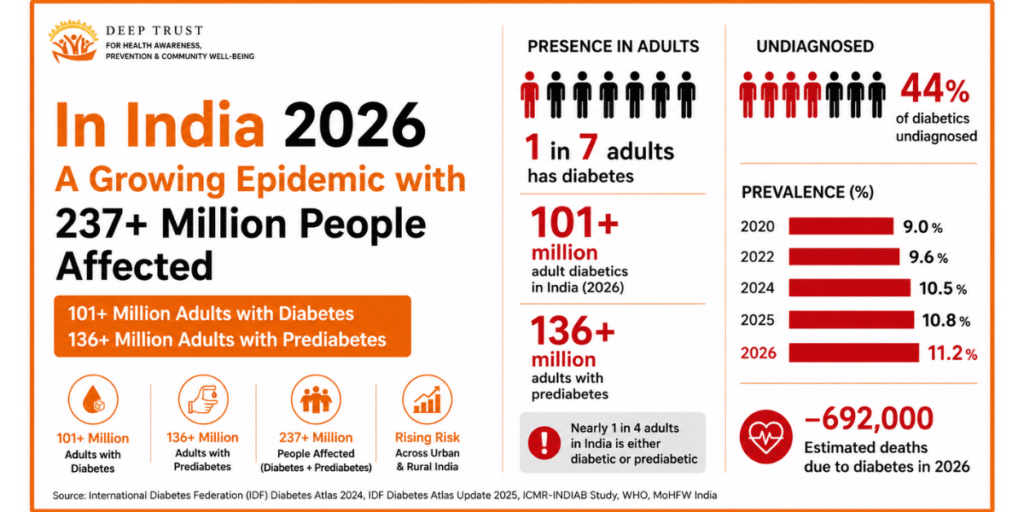
Diabetes in India 2026: Rising Burden, Risks & Prevention Strategies DEEP Trust Health Insights Category: Public Health Awareness & Non-Communicable DiseasesPublished By: DEEP TrustPublished Date: June 2026 Understanding India’s Diabetes Crisis India is currently facing a rapidly growing diabetes epidemic. According to national health estimates, more than 101 million adults are living with diabetes, while nearly 136 million individuals fall under the prediabetes category. Consequently, a significant portion of the population is either already affected or at high risk. Moreover, this trend highlights a serious public health challenge that requires urgent preventive action. In addition, lifestyle changes, urbanization, and dietary shifts have significantly contributed to the rise of this condition. Therefore, awareness and early intervention have become more important than ever. Preventive healthcare initiatives play a crucial role in early disease detection and awareness. For example community health screening programs help identify health risks at an early stage. Diabetes Statistics in India 2026 Key National Indicators According to recent epidemiological research: Over 101 million adults live with diabetes Around 136 million individuals have prediabetes Nearly 237 million people show abnormal blood glucose levels Type 2 diabetes remains the most common form Younger adults are increasingly affected Source: ICMR–INDIAB Study (ScienceDirect) What These Numbers Indicate These figures clearly show that India carries one of the highest diabetes burdens globally. As a result, healthcare systems are under increasing pressure. Furthermore, many individuals remain undiagnosed until complications appear. Therefore, early screening becomes essential for better outcomes. Source: IDF Diabetes Atlas – India Data What Is Diabetes? Diabetes mellitus is a chronic metabolic condition in which the body cannot properly regulate blood glucose levels. Normally, insulin helps move glucose into cells for energy. However, when insulin production is insufficient or ineffective, blood sugar levels rise. Over time, this imbalance can damage vital organs such as the heart, kidneys, nerves, and eyes. Source: WHO Diabetes Fact Sheet Types of Diabetes Type 1 Diabetes Type 1 diabetes is an autoimmune condition where the immune system destroys insulin-producing cells. As a result, lifelong insulin therapy is required. Type 2 Diabetes Type 2 diabetes is the most common form in India. It develops gradually due to insulin resistance. Additionally, lifestyle factors play a major role. Gestational Diabetes This type occurs during pregnancy. Although it may resolve after childbirth, it increases future risk of Type 2 diabetes. Why Diabetes Is Increasing in India 1. Sedentary Lifestyle Modern lifestyles involve long hours of sitting. Consequently, physical activity levels have significantly decreased. 2. Poor Dietary Habits Increased consumption of processed foods, sugary drinks, and refined carbohydrates has contributed to rising obesity rates. 3. Rising Obesity Obesity directly increases insulin resistance. Therefore, it is one of the strongest risk factors for diabetes. 4. Stress and Sleep Issues Chronic stress and poor sleep disrupt hormone balance. As a result, blood sugar regulation becomes affected. Source: WHO Diabetes Overview Symptoms of Diabetes Diabetes often develops slowly. Therefore, early symptoms may go unnoticed. Common symptoms include: Frequent urination Excessive thirst Fatigue Blurred vision Slow wound healing Sudden weight loss In addition, some individuals may experience tingling sensations in hands and feet. Risk Factors of Diabetes You may be at higher risk if you: Have a family history of diabetes Are overweight or obese Lead a sedentary lifestyle Have high blood pressure Are above 35 years of age Have PCOS or gestational diabetes history Therefore, identifying risk early is crucial for prevention. Diagnosis of Diabetes Early detection plays a key role in preventing complications. Common Tests HbA1c Test Measures average blood sugar levels over 2–3 months. Fasting Blood Sugar Test Checks glucose after overnight fasting. OGTT Evaluates how the body processes glucose. Random Blood Sugar Test Measures blood sugar at any time. Health Complications of Diabetes If not controlled, diabetes can affect multiple organs. Cardiovascular Diseases It increases the risk of heart attack and stroke significantly. Kidney Damage Diabetes is a major cause of chronic kidney disease. Eye Problems It can lead to diabetic retinopathy and vision loss. Nerve Damage High blood sugar may damage nerves, causing pain or numbness. Foot Complications Poor circulation increases the risk of infections and ulcers. Source: WHO Diabetes Complications Prevention Strategies for Diabetes Although diabetes is serious, Type 2 diabetes can often be prevented. 1. Healthy Diet A balanced diet improves blood sugar control. Include fruits, vegetables, whole grains, and lean proteins. Avoid excessive sugar, processed foods, and fried items. 2. Regular Exercise At least 150 minutes of physical activity per week is recommended. For example, walking, yoga, cycling, and swimming are highly effective. 3. Weight Management Even small weight loss can significantly reduce diabetes risk. 4. Stress Management Practices like meditation, yoga, and proper sleep improve metabolic health. Source: WHO Physical Activity Guidelines Preventive healthcare screening helps detect early risk factors before they develop into serious conditions. Diabetes Management Although diabetes cannot always be cured, it can be effectively managed. Proper management includes: Medication adherence Regular blood sugar monitoring Healthy lifestyle Routine checkups Moreover, patient education plays a vital role in long-term control. Government & Global Health Initiatives India and global organizations are actively working to control diabetes. Key organizations include: World Health Organization International Diabetes Federation Indian Council of Medical Research Ministry of Health and Family Welfare These organizations focus on early screening, awareness programs, and lifestyle interventions. Role of DEEP Trust in Awareness DEEP Trust plays an important role in community health improvement. It works through: Health screening camps Awareness campaigns Preventive healthcare education Community outreach programs As a result, individuals become more aware of early risks and preventive steps. A Preventable Health Crisis In conclusion, diabetes has become one of India’s most serious health challenges in 2026. However, the situation is not irreversible. With timely diagnosis, healthy lifestyle changes, and regular screening, many cases of Type 2 diabetes can be prevented. Therefore, collective action from individuals, healthcare providers, and community organizations is essential. Ultimately, prevention remains the most powerful tool to reduce the burden of diabetes in India.
Why Heart Attacks in India Are Rising Among Youth in 2025
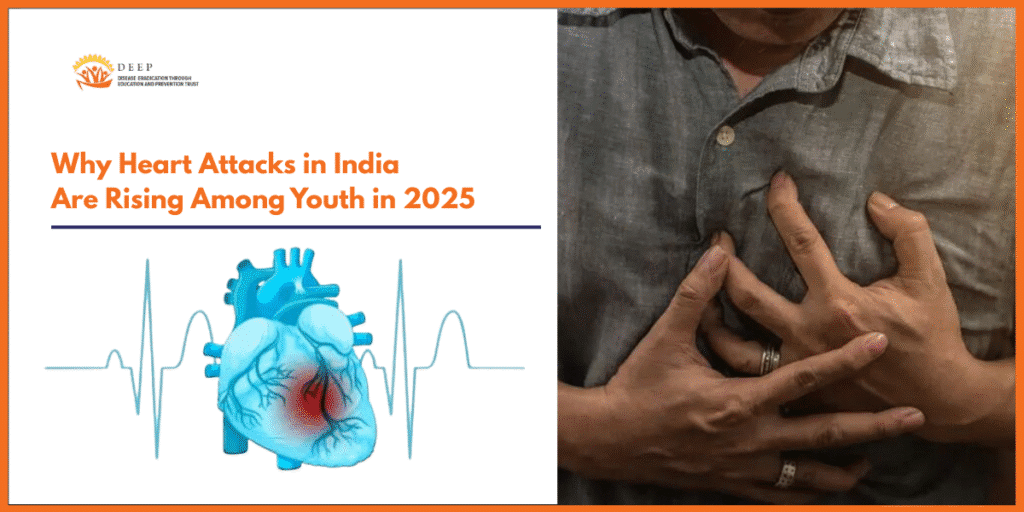
Why Heart Attacks in India Are Rising Among Youth in 2025 Heart Attacks in India: The Silent Emergency That’s Claiming Young Lives Heart attacks were once considered a health concern for people in their 50s or 60s. But in today’s India, teenagers, college students, and young professionals are collapsing — often without a second’s warning. A Crisis Among the Young In February 2025, a 15-year-old schoolgirl named Sri Nidhi died from a sudden cardiac arrest while walking to school in Telangana. Just weeks later in Lucknow, three other sudden deaths shocked the nation: a 24-year-old MBBS intern, a 25-year-old lawyer, and a 29-year-old nurse — all seemingly healthy. These aren’t rare cases anymore. They’re signals of a deepening national health crisis. According to data from The Times of India and SheThePeople, sudden cardiac deaths among India’s youth have surged by 22% in just two decades. “We’re seeing heart disease in younger people due to lifestyle and stress — and most of them ignore early symptoms.” — Dr. Ramesh Babu, Cardiologist, AIIMS (2024) What the Data Says 1 Indian dies every 33 seconds from heart-related disease 28% of India’s total deaths are heart-related 50% of heart attack deaths occur before age 50 1 in 4 cases now occurs before age 40 Infographic Insight: Heart Attacks Are Getting Younger Average Age of First Heart Attack in India 2005: 52 years 2015: 46 years 2025: 39 years Source: ICMR Cardiac Report 2024 This trend is no longer just alarming — it’s urgent. Why Are Heart Attacks Rising Among the Young? 1. High-Risk Lifestyles Ultra-processed food, irregular sleep, and screen addiction Rising academic and workplace stress Unsafe use of energy drinks, steroids, and supplements Sedentary living combined with erratic workout habits 2. Lack of Preventive Screening No regular BP, ECG, or cholesterol tests Symptoms like chest discomfort, fatigue, or dizziness often ignored Most schools, colleges, and offices lack basic heart risk screening protocols 3. Limited Emergency Response Over 60% of rural areas lack cardiac-equipped facilities Most public places have no AEDs (Automated External Defibrillators) or CPR-trained staff 4. Environmental and Climate Triggers Heatwaves and high air pollution levels increase cardiac stress Indian Meteorological Department linked heat-related mortality to heart strain in multiple 2023 reports What Needs to Change Start Education Early Integrate heart health into school programs Conduct workshops for parents and youth on early warning signs Normalize conversations about stress and family history Promote Preventive Screening Free or subsidized BP, sugar, ECG testing in schools and colleges Early screening for youth with family history of cardiac illness Community-based health kiosks for walk-in testing Strengthen Emergency Preparedness CPR training for educators, students, and the public AEDs in every school, gym, mall, office, and transport hub Digital alerts and ambulance networks for faster response in rural areas What DEEP Trust Is Doing on the Ground To address these systemic gaps, DEEP Trust is bringing heart health education and screenings to underserved communities through two core programs: 1. Mobile Health Screenings – Hyderabad Through fully equipped medical vans, DEEP Trust reaches low-income areas with: On-site ECG, BP, and diabetes testing Qualified physicians and health workers Counseling on heart health and prevention 2. Medical Screening Camps Across India DEEP Trust has organized: 350+ community screening camps Over 40,000 individuals tested for non-communicable diseases Awareness drives targeting youth and women Simple Actions That Save Lives You don’t need to be a doctor to save someone’s life — you just need to act early. Here’s What You Can Do: Get your blood pressure, sugar, and cholesterol checked annually Learn basic CPR and emergency response Prioritize sleep, hydration, and mental health Avoid risky supplements or crash diets Educate your family about early warning signs and the importance of screening A Final Word: Your Action Can Save a Life Heart attacks are no longer just a concern for the elderly. They’re affecting teenagers, young professionals, and even children — often without warning. We’ve lost too many lives already, many of which could have been saved with timely awareness, early screening, or a simple CPR-trained bystander. At DEEP Trust, we’ve taken the first steps — reaching thousands with health camps, screenings, and awareness drives. But the need is vast, and we’ve only scratched the surface. We’ve helped over 40,000 individuals so far. With your support, we can reach lakhs more. If you believe no child should die in a school corridor… If you believe heart health shouldn’t depend on where someone lives or what they earn… Then be part of this movement. Share this blog to raise awareness in your school, office, or community Invite DEEP Trust to conduct a screening in your area Support our programs — because even one action can create a ripple that saves a life Together, let’s protect the hearts of India’s next generation — before another one stops beating too soon. 👉 Donate Now — Be the Reason Someone Lives
DEEP Trust Summer Camp Spreads Awareness on Women’s Health on World Menstrual Hygiene Day.
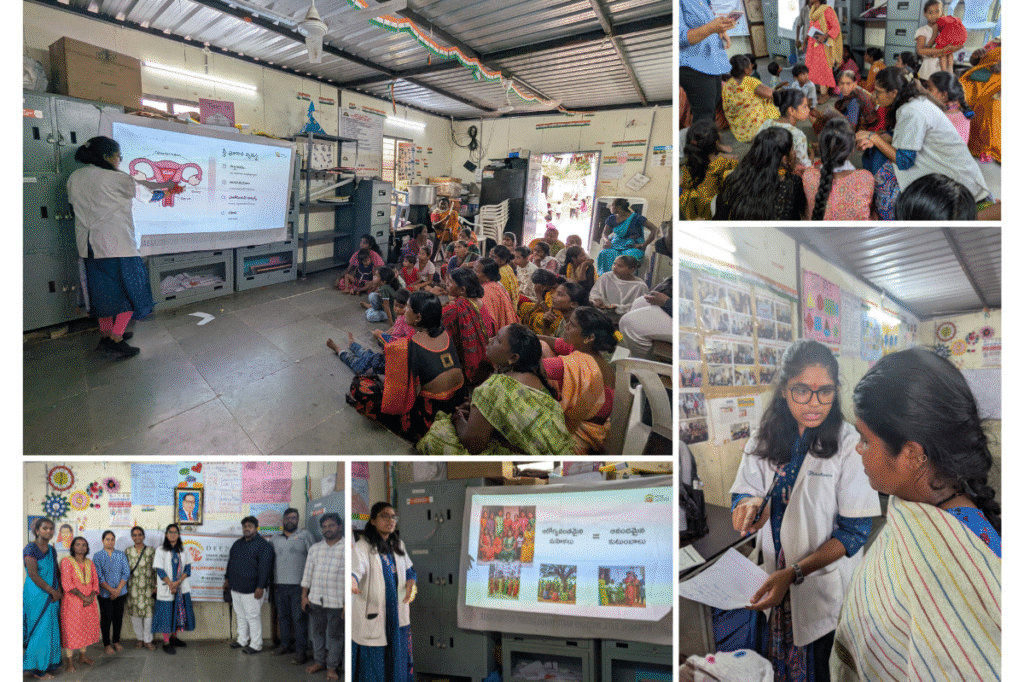
DEEP Trust Summer Camp Spreads Awareness on Women’s Health on World Menstrual Hygiene Day. Date: 28th May 2025 Location: Rainbow Homes, Mudfort, Gunfoundry, Secunderabad Organized by: DEEP Trust Presented by: Dr. Arya Yashshree (Volunteer) Promoting Menstrual Hygiene and Women’s Health Through Education On World Menstrual Hygiene Day, DEEP Trust hosted a meaningful women’s health awareness camp at Rainbow Homes in Mudfort, Secunderabad. Held on 28th May 2025, this event was part of DEEP Trust’s ongoing commitment to promoting health, dignity, and education among underserved communities. Volunteer Dr. Arya Yashshree led the session, engaging young girls in an open conversation about menstrual hygiene, personal care, nutrition, and emotional wellness. The goal was to provide practical health knowledge in a warm, open environment, where the girls and women could ask questions and build confidence in caring for themselves during menstruation and after menopause. You can read more about our health efforts here: Mobile Health & Health Screenings in Hyderabad Talking About Menstrual Health in a Comfortable Way Periods are a part of growing up, yet many girls feel unsure or even scared about the changes they experience. At the camp, Dr. Arya explained the menstrual cycle in simple words—how it works, what changes to expect, and how to manage it without stress or shame and tips to overcome social stigma. The focus was on making health education feel normal, not scary, especially for girls who might not have had the chance to ask these questions at home. Easy Tips for Menstrual Hygiene One of the most important parts of the camp was teaching easy and safe hygiene practices during menstruation. Dr. Arya guided the girls through: How to use and change sanitary pads The importance of handwashing Why pads should be changed every 4–6 hours Proper disposal methods When to talk to a doctor if there’s discomfort These basic practices help prevent infections and promote daily comfort and confidence. Busting Common Myths Around Periods There are still many misunderstandings about menstruation that can make girls feel uncomfortable or isolated. The camp helped clear up common myths, such as: You can’t bathe during your period Menstruation is dirty or shameful Instead, the message was: menstruation is natural, and girls should feel free to talk about it. Myth Fact You should not take a bath during your period Bathing keeps you clean and may help reduce cramps. Menstruation is dirty or something to hide Periods are a natural part of life and nothing to be ashamed of. Girls should not go to school during periods Girls can go to school and do normal activities during their periods. Talking about periods is not okay It’s healthy and important to talk openly about periods and hygiene. You can’t exercise during your period Light movement or exercise can actually help reduce period pain. What Else Was Covered at the Camp? Understanding Early Signs of Perimenopause Though mostly affecting older women, this topic was introduced to help girls better support their family members. Identifying common symptoms such as hot flashes, mood swings, and irregular periods. Encouraging open conversations between girls and their mothers or female guardians. Understanding hormonal changes and how they affect women emotionally and physically. Normalizing menopause-related topics to reduce stigma and misinformation. Preventing Urinary Tract Infections (UTIs) Girls learned simple, effective habits to avoid UTIs. Drink plenty of water daily to flush bacteria. Don’t hold in urine for long periods. Wipe front to back after using the toilet. Wear breathable cotton underwear and avoid tight clothing. Change out of wet clothing (e.g., swimsuits) quickly. Breast Health and Awareness Early awareness can lead to lifelong health habits. How to perform basic breast self-checks. Recognizing warning signs like lumps or discharge. Understanding that changes during puberty are normal but should still be monitored. Encouraging regular check-ins with trusted adults or health professionals. Understanding Menstrual Hygiene Products Education on available choices and their correct usage. Overview of pads, tampons, menstrual cups, and period underwear. How to safely use and change each product. Importance of choosing products based on comfort and lifestyle. Addressing myths and stigmas around menstruation. Emotional Changes During Puberty Helping girls understand and express their emotions. What mood swings are and why they happen. Building self-esteem and a positive body image. Tools for expressing feelings, like journaling or talking to a trusted person. Recognizing signs of stress or anxiety and knowing when to seek help. The Importance of Sleep Reinforcing the role of rest in overall development. Benefits of 8–10 hours of sleep for teens. Effects of sleep deprivation on mood, learning, and growth. Tips for better sleep: reducing screen time before bed, creating a bedtime routine. Understanding sleep as an essential part of self-care. Physical Activity and Movement Keeping active in fun, engaging ways. Importance of daily movement for heart, bones, and mental health. Introduction to stretching, dancing, yoga, and group games. Encouraging girls to find physical activities they enjoy. Avoiding comparisons and focusing on personal fitness goals. Digital Safety and Body Privacy Promoting awareness around personal safety online and offline. Understanding body boundaries and the right to say “no.” How to handle uncomfortable messages or photos online. Privacy settings and responsible social media use. Knowing when and how to ask a trusted adult for help. Nutrition for Growing Bodies Building strong bodies through informed food choices. The importance of a balanced diet: fruits, vegetables, whole grains, protein, and healthy fats. Iron-rich foods like spinach, lentils, and fortified cereals, especially important for menstruating girls. The role of calcium and vitamin D in bone health. Tips on reading food labels and avoiding excessive junk food. Linking nutrition to energy, skin health, and concentration in school. Encouraging Good Daily Habits Dr. Arya also shared easy lifestyle tips to help girls feel healthy and happy every day: Get enough sleep Drink clean water Move or play outdoors Talk to an adult when something doesn’t feel right These are small but powerful habits that support overall well-being. Creating a Safe Space for Girls to Ask Questions The most
Breast Cancer Awareness Camp in Hyderabad by DEEP Trust on Mother’s Day
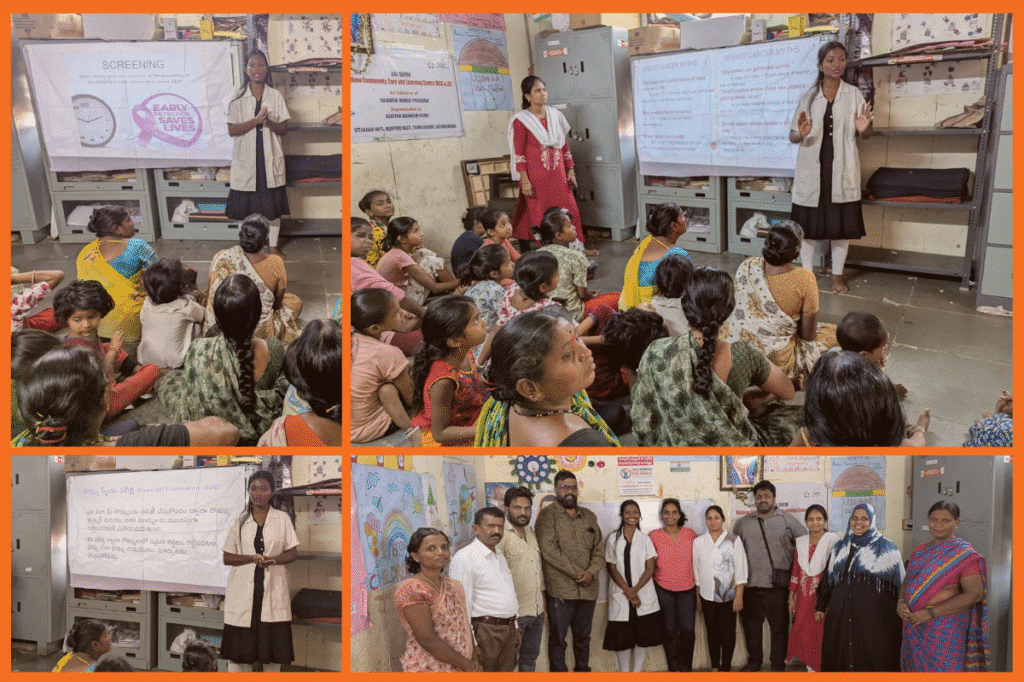
Honoring Mothers and Raising Awareness DEEP Trust’s Mother’s Day Breast Cancer Awareness Camp in Hyderabad Mother’s Day is more than just a celebration of love and care. It is also an opportunity to prioritize the health and well-being of the women who nurture us every day. On May 11th, 2025, DEEP Trust, in collaboration with its implementing partner Ashrita NGO Home, organized a special Breast Cancer Awareness Camp in Hyderabad. This impactful event took place at Rainbow Homes in Mudfort, Gunfoundry, Secunderabad, from 9 AM to 12 PM. This awareness initiative focused on women’s health education in Hyderabad, highlighting the importance of early breast cancer detection and screening. Why This Awareness Camp Matters This camp is important because it helps women learn about breast cancer and how to protect their health. Many women do not know the early signs or the benefits of regular screening. By providing this information, the camp encourages women to take care of themselves and seek medical advice when needed. Early detection can save lives, and spreading awareness is the first step towards a healthier community. Understanding Breast Cancer Breast cancer is a disease where cells in the breast grow uncontrollably. It usually starts in the milk ducts or glands. It is one of the most common cancers affecting women worldwide, but it can also affect men. Early detection is very important because finding breast cancer early makes treatment easier and more effective. Women should be aware of changes in their breasts, such as lumps, changes in size or shape, skin dimpling, or nipple changes. Regular check-ups, breast self-exams, and screenings like mammograms help detect breast cancer early. Treatments can include surgery, radiation, chemotherapy, and hormone therapy, depending on the stage and type of cancer. Knowing the basics about breast cancer helps in taking timely action and protecting your health. Common Symptoms of Breast Cancer Being informed about early signs of breast cancer can save lives. Symptoms may include: A lump or mass in the breast or underarm Skin dimpling or irritation Changes in breast shape or size Nipple discharge or inversion Unexplained breast pain Dispelling Common Myths About Breast Cancer By busting myths, we promote evidence-based awareness: Not all breast lumps are cancerous Mammograms are safe and necessary Family history is just one of many risk factors Men can also get breast cancer, although it is rare Programs like DEEP Trust’s awareness camps in urban Hyderabad communities help correct misinformation. Highlights from the Breast Cancer Awareness Camp Held in Secunderabad, Hyderabad, the camp included: Educational talks by medical professional in Hyderabad Hands-on self-exam demonstrations One-on-one counseling for attendees Distribution of educational materials in local languages The event fostered a supportive and safe environment for learning and discussion. A Lasting Impact This event is part of DEEP Trust’s long-term vision to support community healthcare initiatives in Hyderabad. In partnership with Ashrita NGO Home, these camps aim to improve access to cancer screening programs in underserved areas of Hyderabad. DEEP Trust remains committed to empowering women in Hyderabad through vital breast cancer awareness and education. By supporting such initiatives, communities can move closer to early detection and better health outcomes. Stay informed, spread awareness, and join DEEP Trust in championing women’s health for a healthier tomorrow.
Empowering Lives through Healthcare: DEEP Trust’s Initiatives for Vulnerable Women
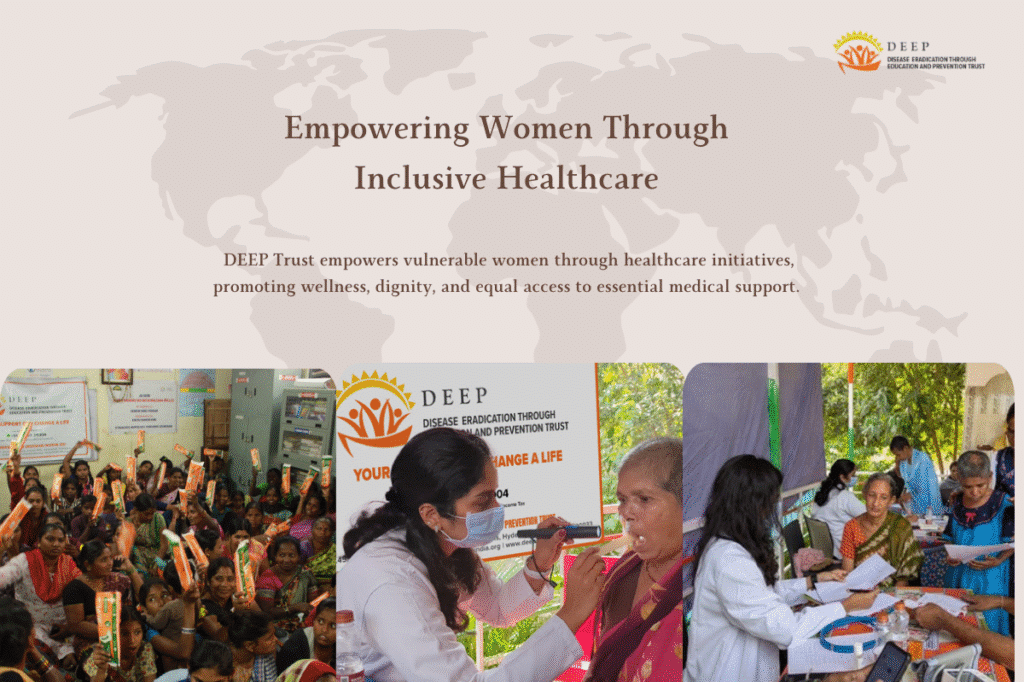
Empowering Lives through Healthcare: DEEP Trust’s Initiatives for Vulnerable Women Access to healthcare is a basic right, yet millions in India still live without it. For marginalized women living in urban slums, healthcare is often a distant dream due to poverty, lack of education, and social stigma. In this landscape, DEEP Trust emerges as a transformative force, working to bridge this gap in Hyderabad and Secunderabad. With targeted initiatives focusing on menstrual health, disability care, and awareness programs, DEEP Trust is ensuring that no woman is left behind. What does DEEP Trust do for women’s healthcare? 1. Menstrual Health Awareness Why is menstrual health education important? More than 70% of Indian girls are unaware of menstruation before their first period (UNICEF). Lack of awareness leads to poor hygiene, infections, and school dropouts. DEEP Trust, in collaboration with Asritha NGO Home, conducted health camps in Mudfort Slum, Gunfoundry, reaching over 100+ women and adolescent girls. The camps: Broke social taboos around menstruation Provided menstrual hygiene education Distributed free sanitary pads 2. Medical Camps for Mentally Challenged Women How does DEEP Trust support mentally challenged women? India has over 1.3 million individuals with intellectual disabilities. These women often lack regular health monitoring. DEEP Trust organizes: Health check-up camps Hygiene and wellness sessions Nutritional guidance and support 3. Sanitary Pad Distribution Campaigns Why is sanitary pad access important? Due to poverty and stigma, only 36% of women in India have access to sanitary napkins. DEEP Trust addresses this issue by organizing pad distribution drives, especially in slums, to: Promote menstrual hygiene Reduce infection risks Encourage school attendance among young girls “Every woman deserves dignity, health, and hope.” What types of healthcare services does DEEP Trust support? Healthcare Type Focus Areas Preventive Care Screenings, health awareness camps Women’s Health Menstrual education, hygiene, maternal care Mental Disability Support Screenings and support for mentally challenged women Community Health Education Hygiene, nutrition, chronic illness awareness Reproductive Health Family planning and safe motherhood education What is the impact of DEEP Trust’s healthcare efforts? Reached 1,000+ women through health camps and awareness drives Distributed thousands of sanitary pads in slum areas Partnered with NGOs to ensure continuity and sustainability Improved hygiene awareness and reduced health risks among underserved groups These outcomes are not just numbers—they are stories of empowerment, inclusion, and dignity. In a country where healthcare disparities persist, DEEP Trust stands as a model of what compassionate, community-centered healthcare can look like. Their work is not only saving lives but also transforming them—by restoring health, confidence, and hope among the most vulnerable. Why is healthcare important? Healthcare is vital for: Preventing diseases and reducing mortality Ensuring healthy pregnancies and safe deliveries Supporting mental and physical well-being Promoting health equity and social development According to the World Health Organization, nearly 50% of the global population lacks access to essential healthcare. In India, 75% of healthcare resources are urban-based, leaving rural and slum communities underserved. FAQs Q: Why is menstrual health education important? A: It reduces health risks, school dropouts, and social stigma for girls and women. Q: What healthcare services does DEEP Trust provide? A: Preventive care, menstrual hygiene awareness, mental health support, and reproductive health education. Q: Who benefits from DEEP Trust’s health initiatives? A: Underserved women in Hyderabad and Secunderabad, especially those in slums and with disabilities. Q: What is the impact of sanitary pad distribution? A: It improves hygiene, boosts school attendance, and restores dignity.
Community Health Screening Camp by DEEP Trust

Community Health Screening Camp by DEEP Trust: A Step Towards Disease Prevention On 24th March 2024, DEEP Trust (Disease Eradication through Education and Prevention), in partnership with Shri Kutchhi Mitra Mandal – Hyderabad Health Care Committee and Renova Soumya Cancer Center, organized a Community Health Screening Camp at Kutchhi Bhavan, Ramkote Edenbagh, Hyderabad. The main goal of the camp was to increase health awareness and encourage people to take preventive healthcare seriously. Promoting Preventive Healthcare Through Screening Health screening camps play an important role in detecting health problems at an early stage. As a result, people can seek timely treatment and avoid serious complications. During this camp, doctors conducted blood pressure checks, X-rays, thermal breast scans (mammograms), and Pap smear tests. Moreover, participants received these services free of cost, which encouraged greater community participation. Event Highlights Shri G. Kishan Reddy, Hon’ble Minister of Tourism, Culture, and Development of the Northeastern Region of India, inaugurated the event. Furthermore, many residents from nearby communities attended the camp and took advantage of the healthcare services. People of different age groups participated actively and learned more about preventive healthcare. What the Health Screenings Revealed The health screenings helped participants understand their current health status. For example, some individuals discovered high blood pressure, while others identified early warning signs of health concerns. Therefore, healthcare professionals guided them on the next steps. In addition, doctors shared practical advice on healthy eating, regular exercise, and routine medical checkups. Health Education for a Better Future The camp focused not only on health screenings but also on health education. Moreover, healthcare experts explained the importance of healthy lifestyle habits. They encouraged participants to eat balanced meals, stay physically active, and avoid harmful habits such as smoking and excessive alcohol consumption. As a result, attendees gained valuable knowledge that can help prevent many common diseases. Working Together for Better Community Health The success of the Community Health Screening Camp reflected the strong collaboration between DEEP Trust, Shri Kutchhi Mitra Mandal – Hyderabad Health Care Committee, Renova Soumya Cancer Center, healthcare professionals, and volunteers. Furthermore, every team member contributed to creating a smooth and effective experience for participants. Their combined efforts helped deliver quality healthcare services to the community. Creating a Healthier Community Community health screening camps create awareness, support early disease detection, and encourage healthier lifestyles. Therefore, initiatives like this play a vital role in improving public health. This camp helped many people receive valuable health guidance and motivated them to take better care of their well-being. Additionally, DEEP Trust plans to organize more healthcare camps in the future so that more communities can benefit from preventive healthcare services. Acknowledgements DEEP Trust sincerely thanks Shri Kutchhi Mitra Mandal – Hyderabad Health Care Committee, Renova Soumya Cancer Center, healthcare professionals, volunteers, and community members for their valuable support. Finally, their dedication and teamwork made this Community Health Screening Camp a meaningful and successful initiative.
Deep Happy Sundays Vijayawada – 2016

Deep Happy Sundays Vijayawada: A Vibrant Community Wellness Event by DEEP Trust & VMC On May 1st, 2016, Vijayawada witnessed a transformative community initiative—Deep Happy Sundays. A joint effort by DEEP Trust (Disease Eradication Through Education and Prevention) and the Vijayawada Municipal Corporation (VMC), this monthly event was launched with a clear vision: to promote a healthier, more connected, and culturally vibrant society through the creative use of public spaces. Objective To promote a healthy lifestyle, social harmony, and civic participation by transforming public streets into accessible spaces for recreational, fitness, and cultural activities—free of vehicular traffic and open to all. Key Components of Deep Happy Sundays 1. Health & Wellness Free health checkups: dental, eye, blood tests Yoga, meditation, walking, and aerobics sessions Awareness on public health and preventive care 2. Sports & Physical Activities Traditional Indian games: Kho-Kho, Kabbadi, Tokkudu Billa, Kolatam Modern recreational sports: Shuttle badminton, skating, cycling General physical fitness activities: Zumba, stretching, group exercises 3. Cultural Engagement Dance performances: Classical and Western Music and drama by college students and local artists A platform for local talent and cultural preservation Growth and Expansion Since its inception, Deep Happy Sundays has grown in both participation and impact: Regular Participation: 1000–1200 participants per event Spectators & Visitors: 4000–6000 individuals per session Monthly Event: Conducted on the first Sunday of every month Venue: Bandar Road (MG Road), Vijayawada The concept has now been adopted by several towns and municipalities across Andhra Pradesh, serving as a replicable model for urban community engagement. Stakeholders & Collaborations Organizers: DEEP Trust & Vijayawada Municipal Corporation (VMC) Collaborators: Vijayawada Police Department, VMC Sports Department Sponsorship: Raised independently by DEEP Trust and VMC Support from: Health organizations, educational institutions, and community groups Outcomes & Impact Increased citizen participation in public initiatives Enhanced public awareness of health, wellness, and environmental cleanliness Improved community bonding across age groups and social strata Encouraged the reclaiming of public spaces for peaceful, inclusive activities Elevated the Happiness Index and overall well-being of city residents City Profile: Vijayawada City Area: 68.88 sq. km Population (2011 Census): 10.48 lakh Hotspot Venue: Bandar Road (MG Road), central to public accessibility Funding Source Community-based sponsorship, managed by DEEP Trust in coordination with VMC Deep Happy Sundays has emerged as a benchmark initiative in citizen-led urban transformation. By seamlessly integrating health, sports, and culture, it redefines how cities can nurture community well-being and encourage civic participation. This initiative not only showcases effective public-private collaboration, but also serves as an inspiring template for other cities aiming to prioritize the physical and emotional well-being of their residents. As the program continues to evolve, it reflects the power of community-driven change and the importance of shared public spaces in building healthier and happier cities.
Maitree mHealth App – By DEEP Trust

Maitree mHealth App: A Revolutionary Tool Empowering Rural Health Workers In the evolving landscape of public healthcare in India, digital interventions are no longer luxuries—they are necessities. The Maitree mHealth App is one such innovative solution transforming rural healthcare delivery across Andhra Pradesh and Telangana. Launched by the NGO DEEP (Disease Eradication Through Education and Prevention), Maitree offers an intuitive, vernacular video-guided mobile platform specifically designed for Accredited Social Health Activists (ASHAs)—the frontline soldiers of India’s public health mission. The app bridges the systemic gaps left by the shortage of trained medical professionals and empowers grassroots health workers to offer timely and consistent maternal and child healthcare services. The Role of ASHA Workers in India’s Healthcare System ASHAs serve as the backbone of rural healthcare under the National Rural Health Mission (NRHM). Selected from the local communities, these women work as health facilitators, guiding expectant mothers and newborns through essential healthcare milestones. However, most ASHAs come from educationally disadvantaged backgrounds, which limits their ability to navigate traditional text-heavy manuals or execute complex checklists. Their pivotal role, particularly in Maternal, Newborn, and Child Health (MNCH) activities, is frequently constrained by these gaps, making tools like Maitree vital in overcoming operational challenges. Bridging the Healthcare Gap Through Digital Innovation The advent of affordable mobile devices and increasing rural connectivity presented an opportunity to modernize community healthcare. The Maitree App utilizes open-source technologies such as Android, PHP, Apache, and MySQL, with its interface meticulously designed in Telugu, the native language of the region. This vernacular interface breaks down educational barriers and offers a simple, image-rich, and voice-integrated UI, making it highly accessible even to minimally literate ASHA workers. This leap into mobile health (mHealth) ensures consistency in service delivery and helps ASHAs provide accurate and timely healthcare information. Features and Functionality of the Maitree App The Maitree App offers a robust suite of functionalities that revolutionize how ASHAs operate: ASHA and Beneficiary Registration: Easily captures key demographic and health data, including Aadhar numbers and village names. Video-Based Tools: Guided counselling and Home-Based Newborn Care (HBNC) videos ensure standardized messaging. Performance Tracking: Logs activities to facilitate incentive-based remuneration and supervisor evaluations. Photo and Audio Features: ASHAs can take photos of beneficiaries and record names for quick and personalized tracking. Such rich features not only reduce manual workloads but also enhance engagement with the healthcare system. Maitree App Implementation and Rollout Strategy In collaboration with local MLAs and public health functionaries, DEEP initiated a phased rollout in April 2017. The strategy involved: Localized Training Programs: One-week interactive sessions spread over a month enabled quick adoption. Language Integration: Use of Telugu facilitated immediate comprehension and confidence among ASHA workers. Community Sponsorship: Weekly usage data informed local leaders, who assisted in mobilizing mothers and children for hospital visits. This community-driven approach contributed to a sustainable and inclusive implementation. Key Success Metrics and Usage Data Quantitative data from Maitree’s early use reveal its significant impact: 23989 video views of counselling and HBNC content Total 568 hours of video content used Average usage per ASHA rose from 10 minutes to 90 minutes/month within just five months 60% of ASHAs preferred Maitree over traditional flipbooks This sharp uptick in usage underlines the app’s utility and acceptance among its primary users. Real-Life Impact on Maternal and Child Health (MNCH) The real-world impact of Maitree can be observed in critical MNCH parameters: Improved Antenatal Visits: Better tracking and reminders facilitated timely checkups. Consistent Newborn Care Messaging: Videos delivered standard healthcare advice, ensuring no vital detail was omitted. In total, over 700 records were documented showcasing field-level activities like antenatal care, immunizations, and emergency referrals, validating Maitree’s on-ground effectiveness. Feedback from ASHA Workers and Healthcare Supervisors Field feedback revealed strong approval for Maitree: ASHAs found the app easy to navigate, regardless of educational background. Supervisors (ANMs and PHC doctors) received real-time data, enhancing responsiveness. However, two challenges emerged: Double Data Entry: Lack of integration with government databases led to redundant effort. Unrecognized Activities: Some tasks logged in Maitree didn’t qualify for official incentives. Despite these setbacks, the overwhelming user satisfaction signals a high return on digital investment. Integration with Government Health Portals Maitree is designed to integrate with: MCTS (Mother and Child Tracking System) – a central government portal Mahila Sishu – a state-specific database Integration would resolve the double-entry issue, ensure timely payments, and enhance data visibility across health departments, leading to more effective program implementation. Cost Analysis and Affordability Per ASHA Cost Breakdown (INR): Component Cost Tablet 6000 Training (5 days/year) 2000 Tech Support 4000 App Development & Maintenance 4000 Total ₹16,000 Compared to the long-term healthcare savings, these costs are minimal. The app’s ability to prevent complications and reduce mortality delivers a higher social and economic ROI. Addressing Challenges and Limitations To maximize Maitree’s potential: Government portals must integrate Maitree data to avoid duplication. Incentive systems need revision to reward all logged health activities. Infrastructure and device maintenance support must be continually funded. Expanding Maitree’s Scope Under RBSK Program Under the Rashtriya Bal Swasthya Karyakram (RBSK), Maitree can be instrumental in early detection and tracking of 50%+ of the 30 diseases listed, including: Down’s Syndrome, Club Foot, Cleft Lip Anemia, Vitamin Deficiencies, Dental Conditions Autism, Learning & Behavioral Disorders This capability positions Maitree as a critical digital asset in screening and early intervention for over 1.24 crore children. Future Potential of Maitree in Broader Public Health Applications Maitree’s scalable architecture allows future use in: Tuberculosis and HIV tracking Non-communicable disease (NCD) monitoring Integration across states like Telangana, Odisha, and Chhattisgarh Its simplicity and proven usability make it adaptable for diverse health missions nationwide. Recommendations for Policymakers and Government Officials To fully leverage Maitree: Integrate with official government health platforms Recognize digitally logged activities for incentives Invest in regular training and hardware updates Include Maitree in broader eHealth strategies These steps will maximize health outcomes and reduce maternal and infant mortality rates. Maitree as a Scalable Public Health Intervention The Maitree mHealth App has shown that technology can
The Importance of Menstrual Health Education in India
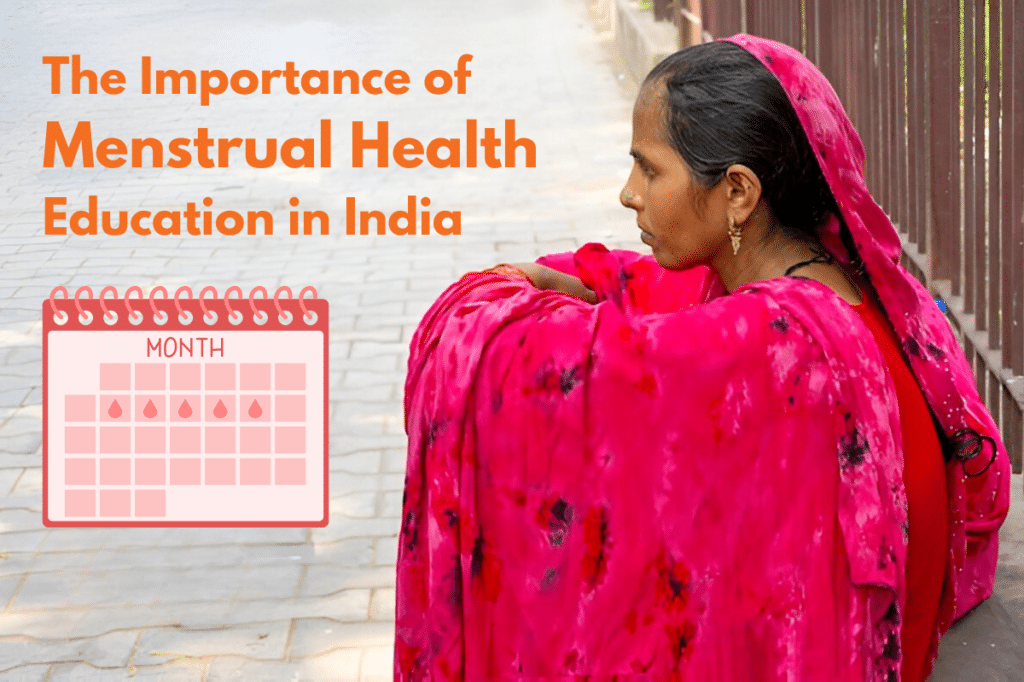
The Importance of Menstrual Health Education in India Lack of Understanding and Awareness Creates a Stigma Menstrual health is still a topic that many people hesitate to talk about in India, especially in rural areas. According to a National Family Health Survey (NFHS-5), only 58% of young women aged 15-24 years in India use clean and safe methods during menstruation. Because of cultural beliefs and social norms, many women and young girls do not feel comfortable discussing periods. This lack of knowledge leads to false beliefs and feelings of shame about something that is completely natural. Lack of Education Leads to Women Not Understanding Their Bodies Since there is little education on menstrual health, many women grow up without knowing how their bodies work. According to research by Dasra, nearly 23 million girls leave school every year because there are no proper facilities for managing periods. Without correct information, they may use unsafe methods, which can lead to infections and other health problems. Many people also do not know about conditions like PCOS (Polycystic Ovary Syndrome) and endometriosis, which can cause serious health issues if ignored. Health Problems & Environmental Impact Without proper menstrual hygiene, many girls and women can get infections such as bacterial vaginosis and urinary tract infections. Also, throwing away sanitary products without care harms the environment. India produces 12 billion used sanitary napkins every year, and most of them end up in garbage dumps, adding to pollution problems. DEEP Trust Initiatives in Menstrual Hygiene Education DEEP Trust is working to solve menstrual health problems through different efforts: Teaching About Menstrual Health: We provide information on common period problems, hygiene tips, and how to manage periods in a safe way. Awareness Programs in Slum Areas: We visit communities where people have little access to correct information and educate them about menstrual health. Tips for Safe Menstrual Hygiene: We share simple and practical tips on how to stay clean, choose the right sanitary products, and dispose of them properly. Addressing Menstrual Hygiene Risks: Poor menstrual hygiene can lead to infections and inflammation in the reproductive tract, potentially making individuals more susceptible to HPV infection and increasing the risk of cervical cancer. DEEP Trust’s Medical Screening and Project Mobile Health provide necessary education and healthcare services to help women prevent these risks and maintain better menstrual hygiene. Role of DEEP Trust in Ending the Period Taboo & Spreading Awareness DEEP Trust – An NGO for Women Empowerment is working to change the way people think about periods by: Organizing awareness programs in schools and villages. Encouraging open conversations about menstruation so that it becomes normal to talk about. Providing sanitary products and access to clean washrooms. Working with teachers and health workers to include menstrual health education in school lessons. Running medical camps and Project Mobile Health to provide healthcare services and education, helping women manage menstrual hygiene safely. FAQs What are the challenges in teaching menstrual hygiene in rural areas? Some challenges include a lack of resources, social taboos, and not enough correct information. A survey by the Menstrual Health Alliance India found that only 48% of rural women have access to sanitary products, showing the need for more support. How does menstrual hygiene education help with gender equality? Teaching about menstrual health helps people understand that periods are normal. It removes shame and encourages boys and girls to respect and support each other. What role do schools play in menstrual hygiene education? Schools can teach students about menstruation, provide clean washrooms, and make sure students feel comfortable managing their periods. However, reports show that only 53% of schools in India have a working toilet for girls, making it difficult for them to stay in school during their periods. What are some false beliefs about menstruation in India? Some people believe that periods make a person unclean or that they should avoid certain activities. These beliefs come from cultural traditions and a lack of education, leading to stigma and misinformation. Some challenges include a lack of resources, social taboos, and not enough correct information. A survey by the Menstrual Health Alliance India found that only 48% of rural women have access to sanitary products, showing the need for more support. Teaching about menstrual health helps people understand that periods are normal. It removes shame and encourages boys and girls to respect and support each other. Schools can teach students about menstruation, provide clean washrooms, and make sure students feel comfortable managing their periods. However, reports show that only 53% of schools in India have a working toilet for girls, making it difficult for them to stay in school during their periods. Some people believe that periods make a person unclean or that they should avoid certain activities. These beliefs come from cultural traditions and a lack of education, leading to stigma and misinformation. By addressing these issues, DEEP Trust hopes to create a society where menstruation is seen as a natural process, ensuring better health and dignity for everyone. Lack of Understanding and Awareness Creates a Stigma Menstrual health is still a topic that many people hesitate to talk about in India, especially in rural areas. According to a National Family Health Survey (NFHS-5), only 58% of young women aged 15-24 years in India use clean and safe methods during menstruation. Because of cultural beliefs and social norms, many women and young girls do not feel comfortable discussing periods. This lack of knowledge leads to false beliefs and feelings of shame about something that is completely natural. Lack of Education Leads to Women Not Understanding Their Bodies Since there is little education on menstrual health, many women grow up without knowing how their bodies work. According to research by Dasra, nearly 23 million girls leave school every year because there are no proper facilities for managing periods. Without correct information, they may use unsafe methods, which can lead to infections and other health problems. Many people also do not know about conditions like PCOS (Polycystic Ovary Syndrome) and endometriosis, which can cause serious health issues if ignored. Health Problems & Environmental Impact Without proper menstrual hygiene, many girls and women can get infections