
Maitree mHealth App – By DEEP Trust

Maitree mHealth App: A Revolutionary Tool Empowering Rural Health Workers In the evolving landscape of public healthcare in India, digital interventions are no longer luxuries—they are necessities. The Maitree mHealth App is one such innovative solution transforming rural healthcare delivery across Andhra Pradesh and Telangana. Launched by the NGO DEEP (Disease Eradication Through Education and Prevention), Maitree offers an intuitive, vernacular video-guided mobile platform specifically designed for Accredited Social Health Activists (ASHAs)—the frontline soldiers of India’s public health mission. The app bridges the systemic gaps left by the shortage of trained medical professionals and empowers grassroots health workers to offer timely and consistent maternal and child healthcare services. The Role of ASHA Workers in India’s Healthcare System ASHAs serve as the backbone of rural healthcare under the National Rural Health Mission (NRHM). Selected from the local communities, these women work as health facilitators, guiding expectant mothers and newborns through essential healthcare milestones. However, most ASHAs come from educationally disadvantaged backgrounds, which limits their ability to navigate traditional text-heavy manuals or execute complex checklists. Their pivotal role, particularly in Maternal, Newborn, and Child Health (MNCH) activities, is frequently constrained by these gaps, making tools like Maitree vital in overcoming operational challenges. Bridging the Healthcare Gap Through Digital Innovation The advent of affordable mobile devices and increasing rural connectivity presented an opportunity to modernize community healthcare. The Maitree App utilizes open-source technologies such as Android, PHP, Apache, and MySQL, with its interface meticulously designed in Telugu, the native language of the region. This vernacular interface breaks down educational barriers and offers a simple, image-rich, and voice-integrated UI, making it highly accessible even to minimally literate ASHA workers. This leap into mobile health (mHealth) ensures consistency in service delivery and helps ASHAs provide accurate and timely healthcare information. Features and Functionality of the Maitree App The Maitree App offers a robust suite of functionalities that revolutionize how ASHAs operate: ASHA and Beneficiary Registration: Easily captures key demographic and health data, including Aadhar numbers and village names. Video-Based Tools: Guided counselling and Home-Based Newborn Care (HBNC) videos ensure standardized messaging. Performance Tracking: Logs activities to facilitate incentive-based remuneration and supervisor evaluations. Photo and Audio Features: ASHAs can take photos of beneficiaries and record names for quick and personalized tracking. Such rich features not only reduce manual workloads but also enhance engagement with the healthcare system. Maitree App Implementation and Rollout Strategy In collaboration with local MLAs and public health functionaries, DEEP initiated a phased rollout in April 2017. The strategy involved: Localized Training Programs: One-week interactive sessions spread over a month enabled quick adoption. Language Integration: Use of Telugu facilitated immediate comprehension and confidence among ASHA workers. Community Sponsorship: Weekly usage data informed local leaders, who assisted in mobilizing mothers and children for hospital visits. This community-driven approach contributed to a sustainable and inclusive implementation. Key Success Metrics and Usage Data Quantitative data from Maitree’s early use reveal its significant impact: 23989 video views of counselling and HBNC content Total 568 hours of video content used Average usage per ASHA rose from 10 minutes to 90 minutes/month within just five months 60% of ASHAs preferred Maitree over traditional flipbooks This sharp uptick in usage underlines the app’s utility and acceptance among its primary users. Real-Life Impact on Maternal and Child Health (MNCH) The real-world impact of Maitree can be observed in critical MNCH parameters: Improved Antenatal Visits: Better tracking and reminders facilitated timely checkups. Consistent Newborn Care Messaging: Videos delivered standard healthcare advice, ensuring no vital detail was omitted. In total, over 700 records were documented showcasing field-level activities like antenatal care, immunizations, and emergency referrals, validating Maitree’s on-ground effectiveness. Feedback from ASHA Workers and Healthcare Supervisors Field feedback revealed strong approval for Maitree: ASHAs found the app easy to navigate, regardless of educational background. Supervisors (ANMs and PHC doctors) received real-time data, enhancing responsiveness. However, two challenges emerged: Double Data Entry: Lack of integration with government databases led to redundant effort. Unrecognized Activities: Some tasks logged in Maitree didn’t qualify for official incentives. Despite these setbacks, the overwhelming user satisfaction signals a high return on digital investment. Integration with Government Health Portals Maitree is designed to integrate with: MCTS (Mother and Child Tracking System) – a central government portal Mahila Sishu – a state-specific database Integration would resolve the double-entry issue, ensure timely payments, and enhance data visibility across health departments, leading to more effective program implementation. Cost Analysis and Affordability Per ASHA Cost Breakdown (INR): Component Cost Tablet 6000 Training (5 days/year) 2000 Tech Support 4000 App Development & Maintenance 4000 Total ₹16,000 Compared to the long-term healthcare savings, these costs are minimal. The app’s ability to prevent complications and reduce mortality delivers a higher social and economic ROI. Addressing Challenges and Limitations To maximize Maitree’s potential: Government portals must integrate Maitree data to avoid duplication. Incentive systems need revision to reward all logged health activities. Infrastructure and device maintenance support must be continually funded. Expanding Maitree’s Scope Under RBSK Program Under the Rashtriya Bal Swasthya Karyakram (RBSK), Maitree can be instrumental in early detection and tracking of 50%+ of the 30 diseases listed, including: Down’s Syndrome, Club Foot, Cleft Lip Anemia, Vitamin Deficiencies, Dental Conditions Autism, Learning & Behavioral Disorders This capability positions Maitree as a critical digital asset in screening and early intervention for over 1.24 crore children. Future Potential of Maitree in Broader Public Health Applications Maitree’s scalable architecture allows future use in: Tuberculosis and HIV tracking Non-communicable disease (NCD) monitoring Integration across states like Telangana, Odisha, and Chhattisgarh Its simplicity and proven usability make it adaptable for diverse health missions nationwide. Recommendations for Policymakers and Government Officials To fully leverage Maitree: Integrate with official government health platforms Recognize digitally logged activities for incentives Invest in regular training and hardware updates Include Maitree in broader eHealth strategies These steps will maximize health outcomes and reduce maternal and infant mortality rates. Maitree as a Scalable Public Health Intervention The Maitree mHealth App has shown that technology can
How To Save Tax By Donating to an NGO?
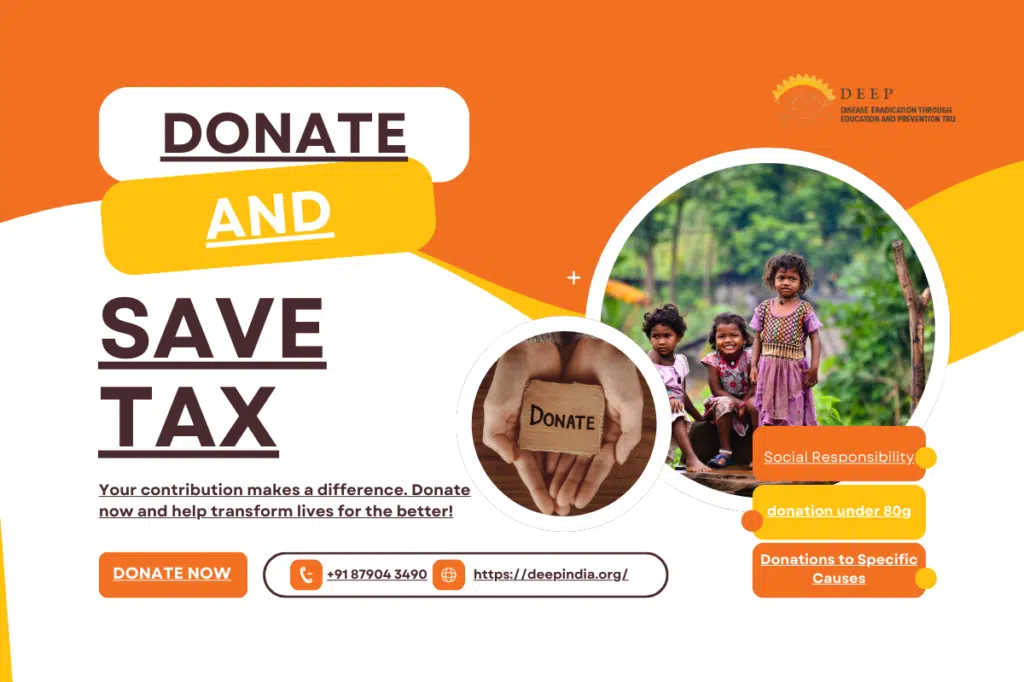
How To Save Tax By Donating to an NGO? How To Save Tax By Donating to an NGO? Donating to an NGO helps people in need and also provides tax benefits. Many NGOs in India are recognized by the government, allowing donors to get tax savings on their contributions. A report by Charities Aid Foundation (CAF) India found that individual donations made up 32% of total charitable contributions in 2022, showing that more people are choosing to give. Another study by Bain & Company (2023) revealed that tax benefits encourage about 40% of donors in India to contribute. Giving to a registered NGO supports causes such as education, healthcare, and poverty relief while also helping you reduce your tax burden. To claim tax benefits, donations to DEEP Trust should be made through digital payments with proper receipts. Tax Advantages of Donating to an NGO donation under 80g Cash donations to registered NGOs in India can be utilized under Section 80G of the Income Tax Act to claim tax exemption. Depending on the organization, you can claim a deduction of either 50% or 100% of the donation amount. This type of deduction helps you lower your taxable income and, hence, pay less tax. Donations to Specific Causes By donating to specific causes such as education, healthcare, and poverty alleviation, you contribute to social development while also availing tax benefits. Many NGOs focus on targeted social issues, ensuring that your contributions make a significant impact. Social Responsibility Donating to NGOs is a way of fulfilling social responsibility. Your contribution helps uplift underprivileged communities, supports critical welfare projects, and creates sustainable change. Giving back to society strengthens the social fabric and promotes overall well-being. Why Should You Choose DEEP Trust for Donations? DEEP Trust is a dedicated nonprofit organization committed to transforming lives through welfare, healthcare, and educational initiatives. By donating to DEEP Trust, a tax-saving NGO in Hyderabad, you ensure that your contribution reaches those in genuine need, supporting programs that provide medical aid, quality education, and community upliftment. As a registered entity under Section 80G, your donation is not only impactful but also eligible for tax exemption. With a strong focus on transparency and accountability, we ensure that every contribution is utilized effectively for the betterment of society. Join us in making a difference—your support can change lives! How Can I Donate to DEEP Trust? Donating to an NGO creates a positive social impact while also providing financial benefits through tax relief. Donate to save income tax while supporting a trusted organization such as DEEP Trust and make a difference. You can donate through their official website by selecting a donation plan of your choice. It is a quick and safe process that allows you to contribute using online payment options. After making the donation, you will be provided with a tax-exempt receipt. FAQs Do Cash Donations Also Have Tax Exemptions? Donations in cash are exempted from tax only if they do not exceed Rs. 2,000. Donations in cash exceeding Rs. 2,000 have to be made through banking modes like cheque, demand draft, or electronic transaction to be exempt from tax. What is the Minimum Amount for Tax Exemption? There is no minimum donation amount to get tax exemption. But to confirm that your donation is tax-exempt, it should be made to an NGO that is registered under Section 80G. How long does it take to receive tax receipts? Tax receipts are given by most NGOs within a couple of days after receiving the donation. The receipt is required to claim tax benefits and should be retained to file income tax returns. What is Section 80G of the Income Tax Act? Section 80G permits taxpayers to avail relief for contributions made to specific relief funds and charitable trusts. Contributions to NGOs approved under this section are eligible for tax relief. The permissible deduction varies depending on the type of NGO as well as the reason for the donation. Donations in cash are exempted from tax only if they do not exceed Rs. 2,000. Donations in cash exceeding Rs. 2,000 have to be made through banking modes like cheque, demand draft, or electronic transaction to be exempt from tax. There is no minimum donation amount to get tax exemption. But to confirm that your donation is tax-exempt, it should be made to an NGO that is registered under Section 80G. Tax receipts are given by most NGOs within a couple of days after receiving the donation. The receipt is required to claim tax benefits and should be retained to file income tax returns. Section 80G permits taxpayers to avail relief for contributions made to specific relief funds and charitable trusts. Contributions to NGOs approved under this section are eligible for tax relief. The permissible deduction varies depending on the type of NGO as well as the reason for the donation. Lack of Understanding and Awareness Creates a Stigma Menstrual health is still a topic that many people hesitate to talk about in India, especially in rural areas. According to a National Family Health Survey (NFHS-5), only 58% of young women aged 15-24 years in India use clean and safe methods during menstruation. Because of cultural beliefs and social norms, many women and young girls do not feel comfortable discussing periods. This lack of knowledge leads to false beliefs and feelings of shame about something that is completely natural. Lack of Education Leads to Women Not Understanding Their Bodies Since there is little education on menstrual health, many women grow up without knowing how their bodies work. According to research by Dasra, nearly 23 million girls leave school every year because there are no proper facilities for managing periods. Without correct information, they may use unsafe methods, which can lead to infections and other health problems. Many people also do not know about conditions like PCOS (Polycystic Ovary Syndrome) and endometriosis, which can cause serious health issues if ignored. Health Problems & Environmental Impact Without proper menstrual hygiene, many girls and women can get infections such as
The Importance of Menstrual Health Education in India

The Importance of Menstrual Health Education in India Lack of Understanding and Awareness Creates a Stigma Menstrual health is still a topic that many people hesitate to talk about in India, especially in rural areas. According to a National Family Health Survey (NFHS-5), only 58% of young women aged 15-24 years in India use clean and safe methods during menstruation. Because of cultural beliefs and social norms, many women and young girls do not feel comfortable discussing periods. This lack of knowledge leads to false beliefs and feelings of shame about something that is completely natural. Lack of Education Leads to Women Not Understanding Their Bodies Since there is little education on menstrual health, many women grow up without knowing how their bodies work. According to research by Dasra, nearly 23 million girls leave school every year because there are no proper facilities for managing periods. Without correct information, they may use unsafe methods, which can lead to infections and other health problems. Many people also do not know about conditions like PCOS (Polycystic Ovary Syndrome) and endometriosis, which can cause serious health issues if ignored. Health Problems & Environmental Impact Without proper menstrual hygiene, many girls and women can get infections such as bacterial vaginosis and urinary tract infections. Also, throwing away sanitary products without care harms the environment. India produces 12 billion used sanitary napkins every year, and most of them end up in garbage dumps, adding to pollution problems. DEEP Trust Initiatives in Menstrual Hygiene Education DEEP Trust is working to solve menstrual health problems through different efforts: Teaching About Menstrual Health: We provide information on common period problems, hygiene tips, and how to manage periods in a safe way. Awareness Programs in Slum Areas: We visit communities where people have little access to correct information and educate them about menstrual health. Tips for Safe Menstrual Hygiene: We share simple and practical tips on how to stay clean, choose the right sanitary products, and dispose of them properly. Addressing Menstrual Hygiene Risks: Poor menstrual hygiene can lead to infections and inflammation in the reproductive tract, potentially making individuals more susceptible to HPV infection and increasing the risk of cervical cancer. DEEP Trust’s Medical Screening and Project Mobile Health provide necessary education and healthcare services to help women prevent these risks and maintain better menstrual hygiene. Role of DEEP Trust in Ending the Period Taboo & Spreading Awareness DEEP Trust – An NGO for Women Empowerment is working to change the way people think about periods by: Organizing awareness programs in schools and villages. Encouraging open conversations about menstruation so that it becomes normal to talk about. Providing sanitary products and access to clean washrooms. Working with teachers and health workers to include menstrual health education in school lessons. Running medical camps and Project Mobile Health to provide healthcare services and education, helping women manage menstrual hygiene safely. FAQs What are the challenges in teaching menstrual hygiene in rural areas? Some challenges include a lack of resources, social taboos, and not enough correct information. A survey by the Menstrual Health Alliance India found that only 48% of rural women have access to sanitary products, showing the need for more support. How does menstrual hygiene education help with gender equality? Teaching about menstrual health helps people understand that periods are normal. It removes shame and encourages boys and girls to respect and support each other. What role do schools play in menstrual hygiene education? Schools can teach students about menstruation, provide clean washrooms, and make sure students feel comfortable managing their periods. However, reports show that only 53% of schools in India have a working toilet for girls, making it difficult for them to stay in school during their periods. What are some false beliefs about menstruation in India? Some people believe that periods make a person unclean or that they should avoid certain activities. These beliefs come from cultural traditions and a lack of education, leading to stigma and misinformation. Some challenges include a lack of resources, social taboos, and not enough correct information. A survey by the Menstrual Health Alliance India found that only 48% of rural women have access to sanitary products, showing the need for more support. Teaching about menstrual health helps people understand that periods are normal. It removes shame and encourages boys and girls to respect and support each other. Schools can teach students about menstruation, provide clean washrooms, and make sure students feel comfortable managing their periods. However, reports show that only 53% of schools in India have a working toilet for girls, making it difficult for them to stay in school during their periods. Some people believe that periods make a person unclean or that they should avoid certain activities. These beliefs come from cultural traditions and a lack of education, leading to stigma and misinformation. By addressing these issues, DEEP Trust hopes to create a society where menstruation is seen as a natural process, ensuring better health and dignity for everyone. Lack of Understanding and Awareness Creates a Stigma Menstrual health is still a topic that many people hesitate to talk about in India, especially in rural areas. According to a National Family Health Survey (NFHS-5), only 58% of young women aged 15-24 years in India use clean and safe methods during menstruation. Because of cultural beliefs and social norms, many women and young girls do not feel comfortable discussing periods. This lack of knowledge leads to false beliefs and feelings of shame about something that is completely natural. Lack of Education Leads to Women Not Understanding Their Bodies Since there is little education on menstrual health, many women grow up without knowing how their bodies work. According to research by Dasra, nearly 23 million girls leave school every year because there are no proper facilities for managing periods. Without correct information, they may use unsafe methods, which can lead to infections and other health problems. Many people also do not know about conditions like PCOS (Polycystic Ovary Syndrome) and endometriosis, which can cause serious health issues if ignored. Health Problems & Environmental Impact Without proper menstrual hygiene, many girls and women can get infections
Water and Sanitation Program – Ongole

Water and Sanitation Program – Ongole Water and Sanitation Program – Ongole It is a well-known fact that when any discussion on lead generation takes place, quality conquers over the measure. Though it is clearly known fact that people do not like when they are pressurized into buying something, a recent research threw open some startling and revealing information. Email Marketing as Lead Generation Tactics of B2B Email marketing was the most popular among all other lead generation tactics primarily due to the ease of its implementation and for producing the desired effective results. Content marketing was found relatively difficult. But it was found to produce good results. It was found, it provides the market research experts to experiment on the same for a longer time and even learn the tactics of interacting with consumers.Thus it is well-known that email ranks as one of the most cost-effective as well as best conversion providing lead generation tactics in B2B. Before loading up a number of messages into the inbox of the prospect, it is essential to encourage and support the different leads in the funnel at this stage. Important aspects of lead nurturing campaigns As a midway answer to these two answers, there was a third opinion about “Lead Qualification” that revealed a new aspect. Though many respondents might show interest in buying, there are very few who would really want to buy at that specific point in time. Though one can analyze all these through a specific method of experimentation there is no tool available from now on to measure or predict the same. Thus the sales department is under constant pressure to recognize and differentiate as who is a ready to buy respondent and who is just an anticipated respondent. Bond of communication Sending a clear message to the prospects that the organization has their welfare in mind and considers it as its priority by stating “How Can I help you” will go a long way in making them open up easily. Though it is not easy to please all the consumers all the time, it will definitely open up the channel of communication and bring in suggestions for new and better communication.In short, for an organization looking to bring in or develop more leads, it needs to bring in a major shift in its style of working from marketing and only sales to problem detecting and problem-solving. This blog post aims to inspire homeowners to create beautiful, sustainable outdoor spaces that benefit both the environment and their lifestyle. By highlighting eco-friendly landscaping ideas, the article provides practical, actionable tips for designing a garden that is aesthetically pleasing, functional, and environmentally responsible. The blog begins by introducing the importance of eco-friendly landscaping, focusing on the benefits such as conserving resources, reducing maintenance costs, and enhancing biodiversity. It appeals to readers by emphasising how small changes in landscaping practices can have a significant positive impact on the planet. Transforming your yard into a sustainable oasis doesn’t mean sacrificing style or beauty. These ten eco-friendly ideas will help you create a landscape that’s as kind to the planet as it is to your family. Our Services Environmental (1) Programs (2) project-aaj-ka-kalam (2) Water (1) Recent Post
Livelihood Projects in Tailoring and Bangle Making

Livelihood Projects in Tailoring and Bangle Making Livelihood Projects in Tailoring and Bangle Making For the past eight years, Kalam foundation has been dedicated to enhancing the well-being of the underprivileged in the Old City. Our mission is to empower individuals through skill development and economic opportunities. These skills are not only culturally significant but also cater to a substantial market demand, ensuring sustainable income opportunities. The initiative seeks to provide essential skills and pathways for sustainable income, tapping into the wealth of untapped talent within our community. By focusing on tailoring, the sale of clothes, and bangle making, we aim to create avenues for both economic empowerment and skill development, aligning with our community’s rich cultural heritage and meeting market demands for these products. The primary aim of these livelihood projects is to empower individuals, particularly women and disadvantaged groups, by providing them with the skills and resources needed to establish successful businesses in tailoring, clothes sales, and bangle making. Objectives: To empower individuals with practical skills in tailoring and bangle making. To create sustainable income sources for participants through the establishment of small businesses. To promote entrepreneurship and self-reliance within the community. Target Participants: The target participants for these projects include individuals (only women) within our community who are interested in acquiring skills in tailoring, clothes sales, and bangle making. Priority will be given to women from lowest socioeconomic conditions. Tailoring: As an organization, we are actively involved in training women in tailoring and sales of clothes. We provide support by furnishing the necessary raw materials, enabling tailors to create garments that our sales team of women will sell. This collaborative effort ensures both the tailors and saleswomen earn income. Our organization plays a crucial role in organizing and overseeing the workflow systematically. Over a year-long period, we closely monitor the progress of these women. Once we ascertain that they are fully trained and self-sustained, we encourage them to work independently. Our goal is to assist 50 women each year in achieving self-employment. Currently, we have successfully supported 25 tailors and 25 saleswomen. Bangle Making: Making handmade bangles is really popular in the Old City and all over India. Most of these bangles are made in the Old City and are even sent to other countries. In the Old City, there are many skilled people who make these bangles. They often work as daily wage laborers, getting paid very little by the shopkeepers who hire them. The shopkeepers and wholesalers make a lot of money from selling these bangles. There is a great opportunity for more people to learn how to make bangles. We found some workers who make bangles every day, and both the husband and wife are involved in the process, which takes a long time. We get orders from our donors and supporters and give them to skilled workers who make the bangles. We also help them sell the bangles. At the same time, we are helping other families who are interested in making bangles to learn the skill. Currently, 20 families are working with us to make bangles. Benefits to People: Empowerment through skill development. Creation of sustainable income sources. Enhancement of entrepreneurship and business management skills. Increased economic independence, particularly for women. Expected Outcome: Establishment of successful small businesses in tailoring, clothes sales, and bangle making. Improved economic conditions for participants and their families. Strengthening of community ties and support networks. Sustainability: To ensure the long-term success of the project, we will work towards building community support, establishing partnerships with local businesses, and encouraging participants to reinvest in the project through cooperative efforts. In conclusion, we believe that the proposed livelihood projects in tailoring, sale of clothes and bangle making will not only enhance the skills and economic well-being of individuals within our community but also contribute to the overall socio-economic development. We request your support and collaboration in making this initiative a reality. Our Services <lidata-term-id=”38″> 2022 (1) <lidata-term-id=”25″> 2023 (2) <lidata-term-id=”41″> 2024 (1) <lidata-term-id=”23″> Cancer Camps (2) <lidata-term-id=”39″> Education (1) <lidata-term-id=”40″> Education Events (1) <lidata-term-id=”32″> Environmental (1) <lidata-term-id=”26″> Eye and Dental Camps (2) <lidata-term-id=”28″> General Health Camps (7) <lidata-term-id=”24″> Health (11) <lidata-term-id=”35″> Marathons (1) <lidata-term-id=”30″> Police Screening (1) <lidata-term-id=”63″> Programs (2) <lidata-term-id=”64″> project-aaj-ka-kalam (2) <lidata-term-id=”33″> Water (1) Recent Post
Open Tenth Coaching: Empowering Students to Succeed Through Education
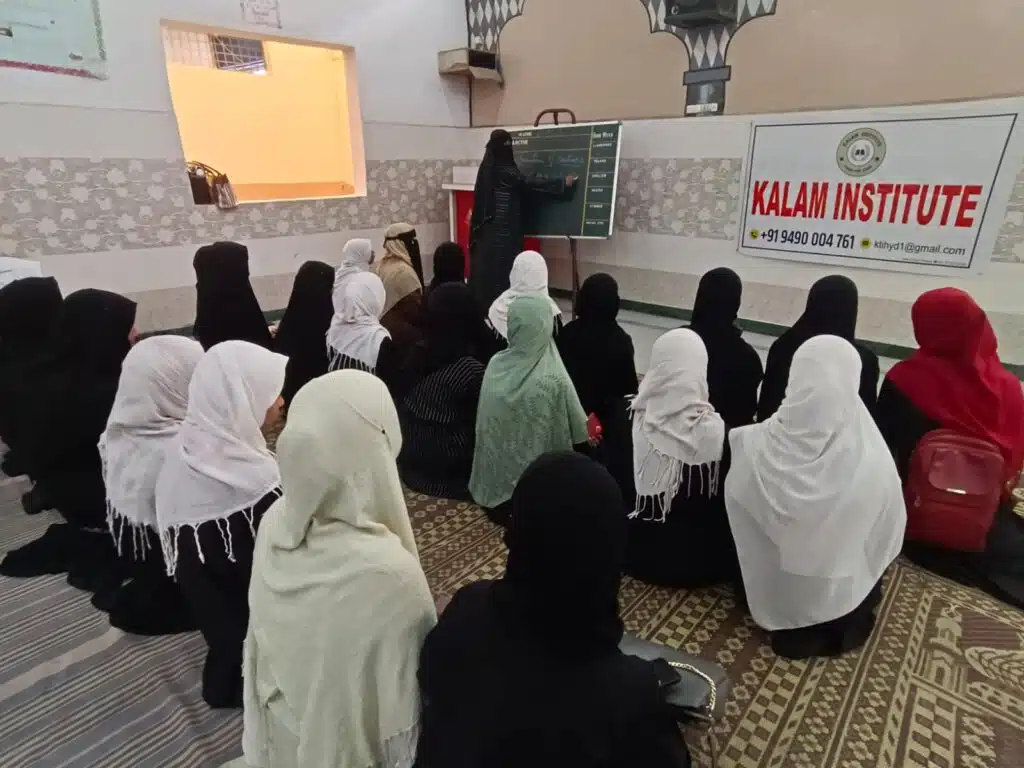
Open Tenth Coaching: Empowering Students to Succeed Through Education Open Tenth Coaching: Empowering Students to Succeed Through Education Challenge: Dropping Out of School Numerous students discontinue their education prematurely, limiting their access to better job prospects and brighter future opportunities. Without a basic 10th-grade education, they find themselves deprived of the essential knowledge and skills required to succeed in a competitive world. Solution: Mentorship and Coaching Set up mentorship and counseling programs and work with the community to help students understand why education is important and why dropping out is harmful, all with the goal of helping them finish their education. A well-structured process in student selection has been created, along with coaching modules to ensure students appear in open tenth-grade exams with proper training. Assistance is provided in higher education admissions through college tie-ups. Impact: A Stepping Stone Towards Success The program has achieved a 90% pass percentage. The program’s student participation has shown significant growth over time. Here are the details: In 2018, 20 students were involved. In 2019, 20 students continued to receive support. In 2020, the program expanded to 30 students. In 2021, the number of students increased to 50. In 2022, 80 students received assistance. This blog post aims to inspire homeowners to create beautiful, sustainable outdoor spaces that benefit both the environment and their lifestyle. By highlighting eco-friendly landscaping ideas, the article provides practical, actionable tips for designing a garden that is aesthetically pleasing, functional, and environmentally responsible. The blog begins by introducing the importance of eco-friendly landscaping, focusing on the benefits such as conserving resources, reducing maintenance costs, and enhancing biodiversity. It appeals to readers by emphasising how small changes in landscaping practices can have a significant positive impact on the planet. Transforming your yard into a sustainable oasis doesn’t mean sacrificing style or beauty. These ten eco-friendly ideas will help you create a landscape that’s as kind to the planet as it is to your family. Our Services <lidata-term-id=”38″> 2022 (1) <lidata-term-id=”25″> 2023 (2) <lidata-term-id=”41″> 2024 (1) <lidata-term-id=”23″> Cancer Camps (2) <lidata-term-id=”39″> Education (1) <lidata-term-id=”40″> Education Events (1) <lidata-term-id=”32″> Environmental (1) <lidata-term-id=”26″> Eye and Dental Camps (2) <lidata-term-id=”28″> General Health Camps (7) <lidata-term-id=”24″> Health (11) <lidata-term-id=”35″> Marathons (1) <lidata-term-id=”30″> Police Screening (1) <lidata-term-id=”63″> Programs (2) <lidata-term-id=”64″> project-aaj-ka-kalam (2) <lidata-term-id=”33″> Water (1) Recent Post